Key Takeaways
- Maintenance delays can quickly damage trust, even when the repair itself is minor. Clear timelines and fast updates help keep complaints manageable.
- Communication gaps often turn small concerns into larger disputes. Consistent response standards help owners and residents stay aligned.
- Noise and pests should be handled with documented, consistent procedures. Early action helps reduce frustration and protect the property.
- Comfort and safety issues deserve special attention because they affect daily living. Preventive maintenance and routine inspections are key.
- Professional systems make complaints easier to track, resolve, and learn from over time.
A successful rental business requires more than collecting rent and keeping a property occupied. Tenant satisfaction is a core part of long-term performance, yet it is often overlooked until problems become costly. No rental home will eliminate every complaint, but owners who respond with structure and care can reduce vacancies, protect their properties, and improve long-term results. That is why we at State Property Management LLC prepared this guide to show how common tenant complaints can be solved with practical, defensible steps.
Protect Your Rental Operations Today Call today: (407) 634-2800
1. Slow Maintenance Response
One of the most common tenant complaints is slow maintenance response. A leaking faucet, broken appliance, weak air conditioning system, electrical issue, plumbing leak, or pest concern may feel small from the owner side, but it can feel urgent to the person living with it every day.
Delayed maintenance also creates doubt. Tenants may begin to believe the owner or management company is not involved, not organized, or not concerned about the condition of the property. That perception can affect cooperation, lease renewals, and how well the resident communicates future issues.
The best solution is a structured maintenance process. We recommend clear intake procedures, emergency prioritization, reliable vendor relationships, repair tracking, and realistic timelines. Tenants are often more patient when they know the request was received and understand what happens next.
Owners should also keep records of repairs, photos, invoices, and communication. A documented process supports better decisions and helps make maintenance response more consistent across the portfolio.
2. Poor Communication
Professional communication policies help prevent that. A written process should define response times, preferred contact methods, emergency procedures, and what information tenants should include when reporting concerns. Strong tenant communication keeps smaller issues from becoming larger conflicts.
Poor communication can weaken an otherwise workable landlord-tenant relationship. Tenants often become frustrated when emails go unanswered, calls are not returned, updates are vague, or expectations were never explained clearly.

It also helps owners avoid informal promises that create confusion later. When communication is clear and documented, everyone has a better understanding of the next step.
3. Noise Complaints
Noise complaints are common in apartments, duplexes, and multifamily properties. They may involve loud music, barking dogs, late-night activity, repeated parties, or general disturbances from nearby units.
These complaints should be handled consistently, not emotionally. Owners should ask for specific dates, times, and details, then compare the complaint with lease terms and community rules. A fair written notice may be appropriate when the issue is documented and repeated.
Noise problems are best managed through clear lease language, consistent enforcement, and neutral communication. The goal is not to take sides. The goal is to determine whether lease rules are being violated and respond in a way that protects the rental environment.
For owners who want to improve daily operations, our guide on tenant relationships explains why consistency and professionalism matter throughout the lease term.
4. Pest Issues
Pest complaints often create strong reactions. Tenants may report ants, roaches, rodents, bed bugs, wasps, termites, or other issues that make the home feel uncomfortable or poorly maintained.
Owners should respond proactively. That may include routine inspections, preventive pest control, prompt scheduling with licensed vendors, and clear tenant responsibilities for cleanliness and reporting. Concerns involving bed bugs should be handled quickly because early identification can limit spread and reduce disruption.

Documentation matters here too. Photos, service reports, lease terms, and communication records can help determine whether the issue is isolated, recurring, or connected to property conditions.
Simplify Tenant Issue Management Today Call today: (407) 634-2800
5. Heating and Cooling Issues
Comfort-related complaints increase quickly during extreme weather. In Central Florida, cooling problems are especially disruptive because heat and humidity can affect daily life inside the property.
Common complaints include weak air conditioning, uneven temperatures, high utility bills, poor airflow, or equipment that stops working. These issues should be treated with urgency, especially when the system affects habitability, property condition, or tenant satisfaction.
Preventive HVAC maintenance is usually more cost-effective than waiting for emergencies. Seasonal service, filter reminders, quick trouble-call response, and clear updates can reduce breakdowns and help equipment last longer.
A good maintenance plan also helps owners budget more accurately. Instead of reacting to surprise replacement costs, owners can track system age, repair history, and vendor recommendations over time. Our article about property management can help owners evaluate whether a manager has the systems needed to handle these details well.
6. Safety and Security Issues
Safety concerns should be taken seriously and handled promptly. Tenants may report broken exterior lights, faulty locks, damaged gates, unauthorized access, poor visibility, or other issues that make them feel less secure.
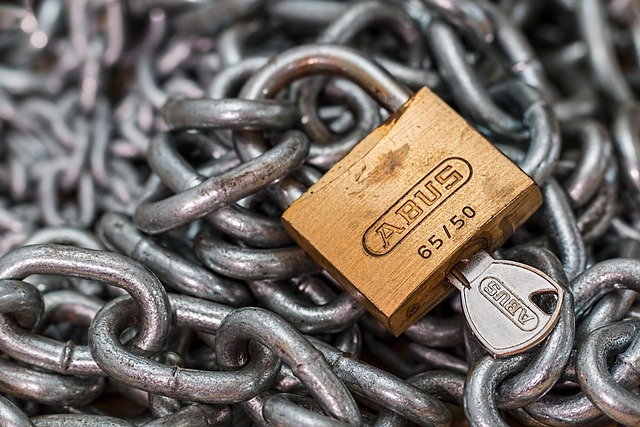
Lease clarity also matters. Owners should make sure residents understand reporting procedures, entry rules, and community responsibilities. Clear lease terms help reduce confusion when a safety concern, maintenance request, or rule violation needs attention.
Before renting out a home, owners should walk the property carefully and correct visible safety issues. Small improvements made before move-in often prevent larger complaints later.
Visible improvements can make a meaningful difference. Owners should repair lighting, confirm locks work properly, address damaged access points, and document inspections. When appropriate, cameras, gates, or other measures should be considered in compliance with local rules and privacy expectations.
Final Thoughts
Tenant complaints are a normal part of managing rental properties, but they do not need to become ongoing sources of conflict. When handled correctly, they can reveal where systems need improvement.
Many successful owners view complaints as useful feedback. The best property management companies use them to improve maintenance, communication, documentation, and tenant satisfaction. If you want a more organized approach to protecting your rental property, we at State Property Management LLC can help you manage issues with professionalism and consistency.
Build a Stronger Rental Portfolio Call today: (407) 634-2800