How to Prepare Your Home Before Renting It Out
Renting out your home in Central Florida can be a strong investment decision, but it should not be rushed. Many homeowners find a tenant quickly, hand over the keys, and assume the rest will work itself out. That is usually where problems begin.
State Property Management works with owners throughout the Orlando and Central Florida area, and many start in the same place: relocating, inheriting a home, testing the market before selling, or becoming a landlord for the first time. The owners who have the smoothest rental experience usually prepare before the home ever goes live.
Key Takeaways
- Vacancies are expensive, but rushing tenant placement can create bigger problems later.
- Small maintenance issues should be handled before listing the home, not after move-in.
- Rental pricing should be based on the market, not just the owner’s mortgage or financial goal.
- Proper tenant screening helps reduce risk, stress, and avoidable rental problems.
- Self-management can work, but owners should understand the time and responsibility involved.
Preparing Your Home Starts Before Listing It
Before a property becomes a rental, the first step is to look at it through a tenant’s eyes. That can be difficult if you have lived in the home for years. Owners often stop noticing worn paint, aging fixtures, tired landscaping, or minor repairs because they have become used to them.
Tenants will not see it that way. They are comparing your home against other rentals in the area. The condition of the property can affect how quickly it rents, the quality of applicants, and the rent amount it can realistically command.
Before listing, walk through the property and review:
- Interior paint
- Flooring
- Appliances
- Plumbing fixtures
- Lighting
- Landscaping
- Cleanliness
- Doors, locks, and windows
- Air conditioning performance
- General safety and functionality
This is also the right time to understand what goes into renting out your Florida home, especially if you are moving from homeowner to landlord for the first time.
Handle Maintenance Before It Becomes a Tenant Problem
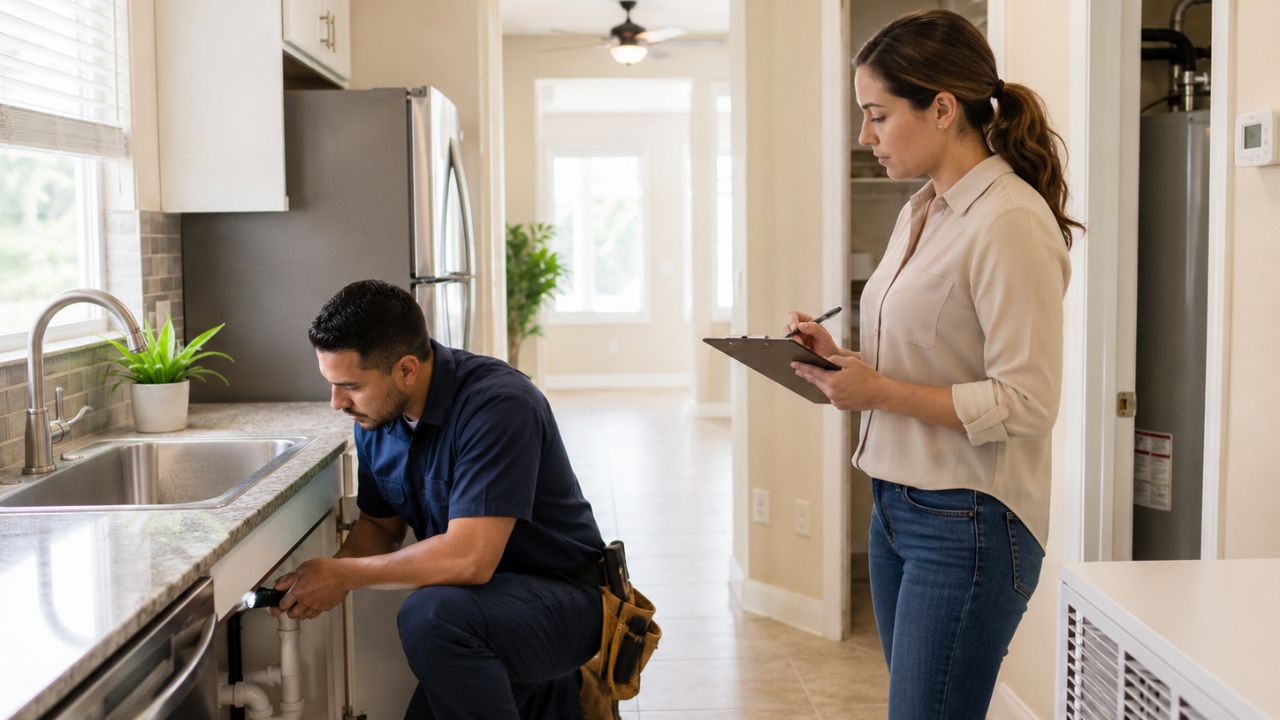
Deferred maintenance almost always becomes more expensive later. A small leak, weak air conditioner, loose handrail, or aging appliance may feel manageable while you live in the home, but once a tenant moves in, those same issues become service requests.
In Central Florida, air conditioning is especially important. A weak or unreliable HVAC system can quickly become a major tenant complaint. Plumbing, water heaters, appliances, and electrical issues should also be reviewed before move-in.
The goal is not to make the property perfect. The goal is to make it safe, functional, clean, and ready for normal tenant use.
Owners should also budget for future repairs. Maintenance is not a question of if, it is a question of when. Even good tenants will use the home every day, and normal wear and tear is part of owning a rental property.
Shift From Homeowner Mindset to Landlord Mindset
One of the hardest parts of renting out a former personal home is the emotional shift. A home may have personal memories, upgrades, and sentimental value. A rental property needs to be viewed more like a business asset.
That does not mean you should stop caring about the home. It means you should expect normal wear, plan for repairs, and make decisions based on long-term performance instead of emotion.
For example, a homeowner may want the highest possible rent because of what the home means to them. A landlord needs to ask what qualified tenants are actually willing to pay based on condition, location, features, and current competition.
If you are preparing to convert a home into a rental property, this mindset shift is one of the most important parts of the process.
Review Insurance Before a Tenant Moves In
A standard homeowner’s insurance policy may not be the right fit once the property becomes a rental. Before listing the home, speak with your insurance agent and explain that the property will be tenant-occupied.
This matters because the risk profile changes. The property is no longer owner-occupied, and the coverage should match how the home is being used.
Owners may also want to ask about liability coverage, loss of rent coverage, and what is or is not covered if a tenant causes damage. Insurance is not something to figure out after a claim happens.
Rental owners should also understand the financial side of owning rental property, including rental income and expenses, so they can plan with fewer surprises.
Price the Property Based on the Market
Pricing is one of the biggest mistakes new landlords make. Many owners choose a rent amount based on what they need financially, what their mortgage payment is, or what they hope the property is worth.
The rental market does not price homes that way.
A rental’s value is based on comparable properties, location, condition, features, timing, and supply and demand. If the home is overpriced, it may sit vacant longer. A long vacancy can cost more than pricing the home correctly from the start.
A strong rental price should answer a practical question: based on the current market, what will attract qualified tenants while still protecting the owner’s return?
Understand Your Responsibilities as a Florida Landlord
Landlords in Florida have responsibilities involving maintenance, habitability, notices, lease compliance, security deposits, and proper procedures. Owners do not need to become legal experts, but they should understand that rental housing is regulated.
Fair housing also matters. Advertising, applicant screening, tenant communication, and leasing decisions should be handled consistently and professionally.
Owners should be familiar with basic fair housing responsibilities before renting out a property. If you have specific legal questions, it is best to speak with a qualified attorney. The key point is simple: many landlord problems happen because owners unintentionally skip steps or handle situations too casually.
Do Not Rush Tenant Screening
A good tenant can make rental ownership feel manageable. A bad tenant can create stress, unpaid rent, property damage, legal issues, and months of frustration.
Tenant screening should never be rushed just to stop a vacancy. A proper screening process usually reviews income, rental history, credit, background, employment, and prior landlord references where applicable.
The goal is not just to fill the property. The goal is to place a qualified tenant who is more likely to pay on time, care for the home, and follow the lease.
This is one of the areas where process matters. Clear rental criteria, consistent screening, and proper documentation can help protect both the owner and the tenant.
Decide Whether You Want to Self-Manage
Managing a rental property involves much more than collecting rent. Owners are responsible for leasing, tenant communication, repair coordination, inspections, renewals, accounting, notices, vendor follow-up, and handling problems when they come up.
Self-management can work well for some owners. It may be a good fit if you live nearby, have time, understand landlord responsibilities, and are comfortable dealing with tenants and vendors.
For other owners, especially those relocating, managing from out of state, or busy with work, it can become overwhelming. That is why many owners compare professional property management versus self-management before deciding how involved they want to be.
Central Florida also continues to attract residents, renters, and investors, so understanding Florida’s housing and population data can help owners think more clearly about long-term rental demand.
Final Thoughts
Renting out your home can be a smart long-term investment, but success usually starts before the tenant ever moves in. The better prepared the property, pricing, screening, insurance, and management plan are up front, the smoother the experience tends to be. State Property Management helps Central Florida owners think through these details so they can approach rental ownership with more confidence and fewer surprises.
Important note: This information is based on general rental property experience in Central Florida and is not legal advice. If you have questions about your specific situation, lease, security deposit, notices, or tenant issue, speak with a qualified Florida attorney.