
One of the fastest ways a rental property turns from profitable to stressful is poor maintenance planning.
Most landlords do not ignore repairs intentionally. They simply underestimate what it truly costs to maintain a home over time, especially in Central Florida where heat, humidity, storms, and tenant turnover accelerate wear.
If you own rental property in the Orlando area, the real question is not whether expenses are coming. It is whether you are financially prepared when they arrive.
Understanding the Difference: Repairs vs Capital Expenses
The foundation of smart budgeting starts with clarity.
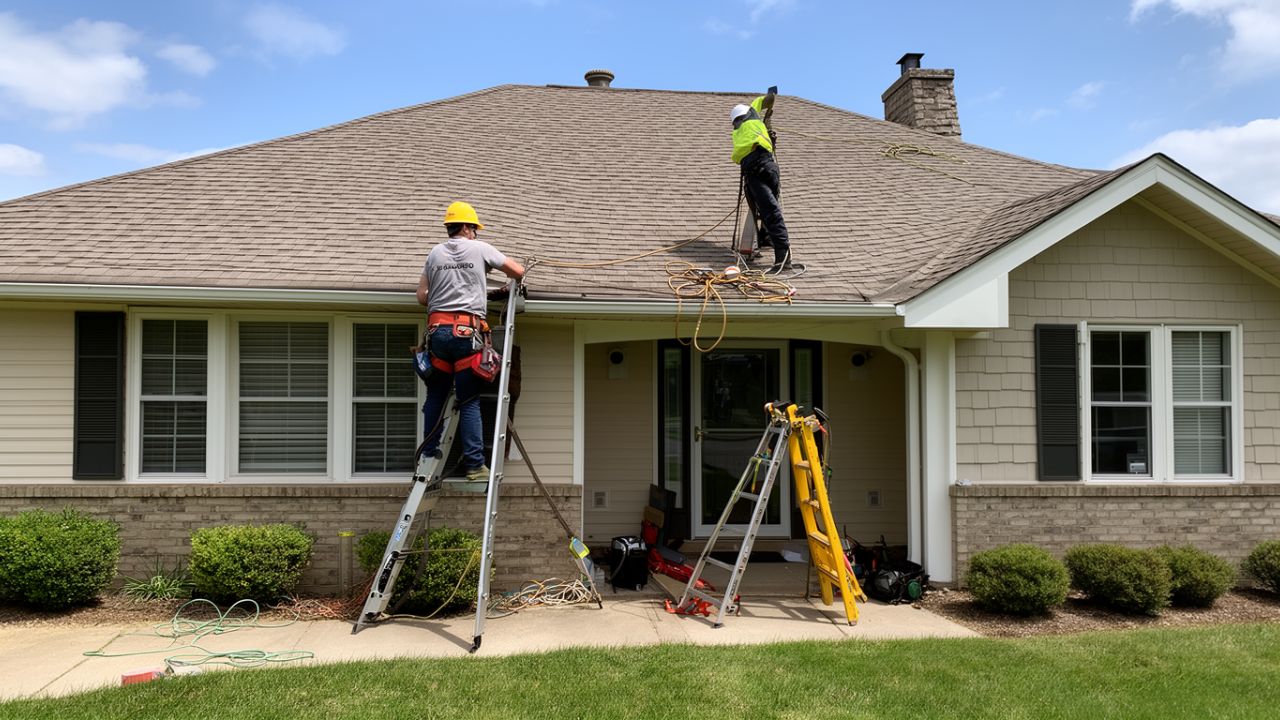
Routine Repairs and Maintenance
These are operating expenses that impact annual cash flow:
- Leaking faucets
- Drywall patches
- Minor plumbing issues
- AC tune ups
- Garbage disposal repairs
- Light fixture replacements
They are recurring, smaller in scale, and necessary to keep tenants satisfied and properties compliant.
Capital Expenses
Capital expenditures, often called CapEx, are long term system replacements:
- Roof replacement
- HVAC system replacement
- Water heater replacement
- Full interior paint
- Flooring replacement
- Appliance packages
These are not annual events, but they are inevitable. According to IRS guidelines on capital improvements, major system replacements are treated differently from routine maintenance for tax purposes. That distinction alone highlights how serious these expenses are.
When landlords combine repairs and capital items into one vague budget number, they underestimate long term exposure. A $4,000 HVAC replacement should not feel like a surprise.
Rethinking the 1 Percent Rule
Many investors rely on the classic 1 percent rule, which suggests setting aside 1 percent of property value annually for maintenance.
On a $400,000 home, that equals $4,000 per year.
As a starting point, it has merit. But in Orlando’s current market, it is incomplete.
A new $500,000 home will not require the same reserve as a 25 year old property with aging systems. A rental with frequent turnover will experience more interior wear than a home with stable, long term tenants.
Local conditions matter. Florida’s humidity impacts roofs and HVAC systems differently than milder climates. If you are evaluating market dynamics, pairing this analysis with current Orlando rental trends and pricing shifts provides useful context for aligning reserves with income potential.
Use the 1 percent rule as a baseline, then adjust based on:
- Property age
- System condition
- Maintenance history
- Tenant stability
- Climate exposure
System Lifecycles in Central Florida Homes
Understanding the age of major systems allows landlords to plan rather than react.
Typical lifespans in the Orlando market:
- Shingle roofs: 15 to 20 years
- Tile or metal roofs: up to 30 years
- HVAC systems: 10 to 15 years
- Water heaters: 8 to 12 years
- Appliances: 7 to 10 years
- Interior paint: 3 to 7 years depending on turnover
If your HVAC is 12 years old, replacement is not hypothetical. It is approaching.
If your roof is 17 years old, reserve planning should already reflect that.
Many investors underestimate how quickly smaller repairs accumulate. As noted in consumer guidance on home maintenance costs, minor issues often create the most frequent cash flow disruptions.
Even something as simple as encouraging prompt maintenance reporting can reduce escalation. Clear tenant communication policies, such as those discussed in strategies to encourage tenants to report repairs early, help protect systems and lower long term expense.
The Hidden Cost of Small Repairs
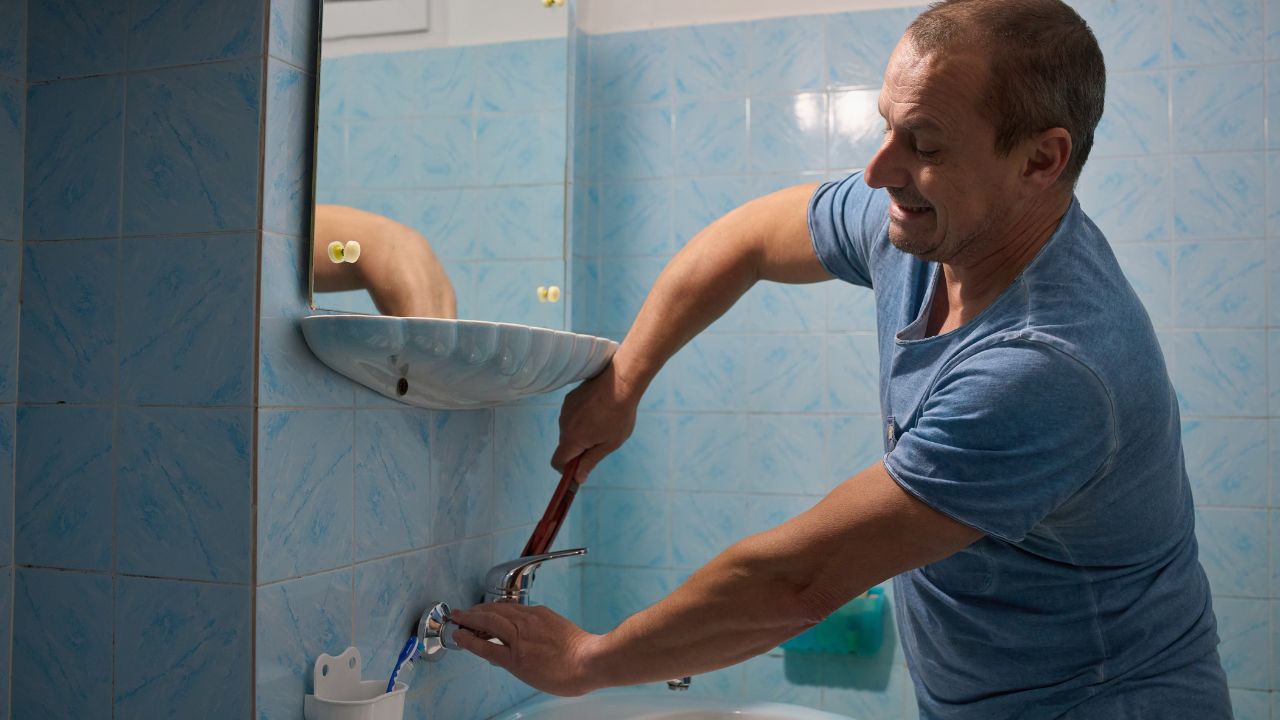
Major replacements get attention. Minor repairs quietly drain profitability.
A typical single family rental may incur:
- $1,000 to $2,000 annually in small service calls
- Handyman labor
- Minor plumbing repairs
- Electrical fixes
- Appliance adjustments
Individually, these costs seem manageable. Collectively, they affect net operating income and can distort your perception of profitability.
According to industry data on average home maintenance spending, homeowners routinely underestimate annual maintenance by several thousand dollars.
For landlords operating on thin margins, this is where financial strain begins.
What Happens When You Underfund Reserves
The risk is not just financial inconvenience. It impacts stability and tenant retention.
Common outcomes of poor reserve planning:
- Delayed HVAC replacement during peak summer
- Deferred roof repairs leading to interior damage
- Frustrated tenants leaving due to slow response
- Emergency borrowing at unfavorable terms
Operating too close to the edge turns maintenance into crisis management.
Long term asset preservation requires liquidity. If you manage multiple properties, insufficient reserves amplify risk across the portfolio.
Building a Practical Monthly Reserve Strategy
A disciplined reserve plan does not need to be complicated.
Here is a simple framework:
- Identify the age of major systems
- Estimate realistic replacement costs
- Divide costs over remaining lifespan
- Add annual buffer for routine repairs
- Transfer that amount monthly into a separate reserve account
- Review annually and adjust
Example Reserve Breakdown
- $1,500 per year for routine repairs
- $800 toward HVAC replacement
- $700 toward roof replacement
- $500 toward appliances
Total: $3,500 annually
Approximately $290 per month
This structure protects cash flow while smoothing large future expenses.
For landlords focused on maximizing performance, reducing operating waste can complement reserve planning. Addressing inefficiencies, such as those outlined in ways to minimize rental utility expenses, can strengthen margins and free up additional reserve capital.
Key Takeaways
- Separate routine repairs from capital expenses
- Use the 1 percent rule as a starting benchmark, not a final answer
- Evaluate system age and Florida climate impact
- Budget $1,000 to $2,000 annually for small recurring repairs
- Fund reserves monthly in a dedicated account
- Review and adjust annually based on actual performance
Final Thoughts
Rental property ownership is a business, not a gamble.
Maintenance reserves are not optional overhead. They are strategic protection against volatility, tenant dissatisfaction, and asset deterioration.
Landlords who plan for replacement cycles and small recurring repairs operate with confidence. Those who do not are often forced into reactive decisions that compromise profitability.
In Central Florida’s climate and pricing environment, disciplined reserve planning is not conservative. It is responsible ownership. At State Property Management, reserve strategy is treated as a core part of protecting long term asset value and helping owners maintain stable, predictable performance year after year.