For years, Orlando landlords enjoyed a market where rents seemed to rise almost on autopilot. Strong population growth, investor demand, and limited housing supply created steady upward pressure. That landscape has shifted.
In early 2026, the Orlando rental market is not collapsing, but it is no longer forgiving. Tenants are more selective, inventory is higher in certain areas, and pricing mistakes are harder to hide. Properties that are positioned correctly are still leasing well. Others are sitting longer and requiring incentives.
The real question is no longer whether rents are going up or down, but whether your specific property is aligned with what today’s tenants actually want.
What Happened to Orlando Rents in 2025
2025 brought a noticeable cooling across much of Central Florida. There was no dramatic crash, but there was clear leveling in many segments of the market.
Three major patterns stood out:
- Modest growth in well-located single-family homes
- Flat or softening rents in dense apartment and condo corridors
- Rent dips in vacation-focused areas due to oversupply
Quality homes in strong school zones continued to perform. Meanwhile, high-density developments and short-term rental conversions flooded the market with competing inventory.
At the macro level, population growth still supports long-term housing demand, with Florida continuing to rank among the fastest-growing states based on population migration trends.
The State of the Orlando Rental Market in 2026

In early 2026, Orlando is best described as stable but competitive.
Good properties still rent. Poorly positioned ones struggle.
Tenants are comparison shopping. They are looking at multiple listings, negotiating harder, and expecting more value for their money. Many landlords are now offering:
- Move-in incentives
- Flexible lease terms
- Minor upgrades to stay competitive
For investors evaluating long-term opportunities, understanding real estate investing in Orlando now requires paying closer attention to rental performance, not just appreciation.
Vacation Corridors Are Feeling the Pressure
Areas like Davenport, Kissimmee, and parts of Claremont have seen a wave of owners exiting vacation rentals and converting to long-term leases. That influx of inventory is pushing rents downward in certain pockets.
These markets are not failing, but they are saturated. Properties must now compete on condition, pricing, and amenities instead of relying on scarcity.
Housing supply remains a structural issue nationwide, even as certain local markets experience temporary oversupply. This broader imbalance is reflected in national housing shortage data.
Areas That Are Softening

Some Orlando submarkets are experiencing longer vacancy periods and slower rent growth.
These include:
- Downtown Orlando condo towers and luxury mid-rises
- Oversaturated apartment corridors such as Altamonte Springs
- Vacation-heavy zones with rising long-term supply
- Older homes that have not been updated in a decade or more
Outdated finishes are a major factor. Tenants expect clean, modern interiors. Properties that still reflect 2010 design standards often sit longer, even when priced aggressively.
Areas Still Performing Well
Not all segments are soft.
Several property types continue to show strong demand:
- Three to four-bedroom single-family homes with garages
- Homes in top-rated school districts like Seminole County
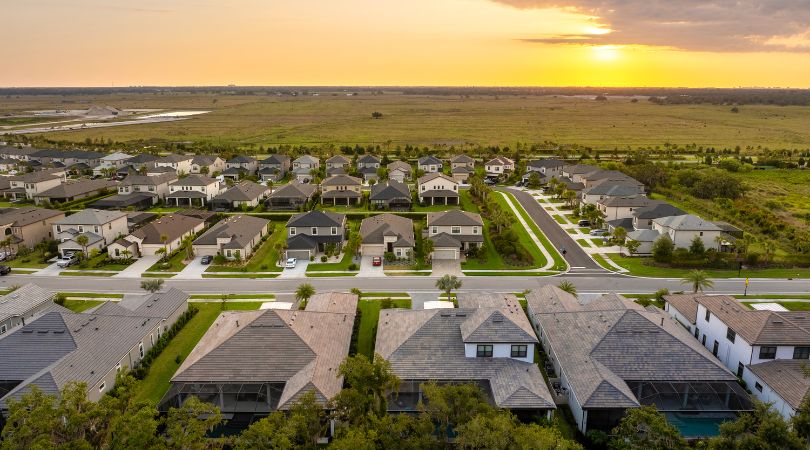
- Suburban communities such as Oviedo, Winter Garden, and St. Cloud
- Workforce rentals under $1,800 per month
- Pet-friendly homes with fenced yards and updated features
Small upgrades now carry more weight. Smart thermostats, modern appliances, fresh paint, and durable flooring directly impact leasing speed and achievable rent.
Why Online Rent Estimates Are No Longer Enough

Many landlords still rely on automated tools for pricing. The problem is that algorithms do not account for real-world nuance.
True rental pricing depends on:
- Active listings, not closed leases
- Neighborhood-level demand
- Property condition and upgrades
- Pet policies and amenities
- Seasonal leasing patterns
Interest rate shifts also influence investor behavior and rental pricing sensitivity, particularly as mortgage rate cycles affect buy-versus-rent decisions.
Overpricing by even a few hundred dollars can now mean weeks of vacancy, which often costs more than a modest price adjustment.
Strategic Pricing Is Now a Competitive Advantage
The days of simply increasing rent every year are gone, at least for now.
Landlords who succeed in 2026 focus on positioning, not just pricing.
That includes:
- Studying real local comparables
- Viewing the property through a tenant’s perspective
- Updating where it makes financial sense
- Offering incentives strategically, not emotionally
- Staying open to pet policies with proper screening
Understanding Florida property management costs also becomes more important in a tighter margin environment, where operational efficiency directly impacts returns.
Legal Realities Are More Important Than Ever

As competition increases, tenant selection and risk management play a larger role in profitability.
Staying informed about eviction in Florida is essential when screening standards, lease enforcement, and compliance all affect vacancy risk and legal exposure.
In slower segments of the market, one bad tenant can easily erase the profit from an entire year.
Key Takeaways
- Orlando rents are stable but no longer rising automatically
- Tenants are more selective and price-sensitive in 2026
- Vacation rental conversions have increased long-term inventory
- Updated single-family homes remain the strongest performers
- Outdated properties face longer vacancy and pricing pressure
- Strategic pricing now matters more than market momentum
Final Thoughts
The Orlando rental market has matured. It is no longer driven by blind appreciation or scarcity alone. Success in 2026 comes from understanding micro-markets, maintaining property standards, and pricing with precision.
Well-maintained homes in desirable locations are still winning. Overpriced or neglected properties are being left behind. The difference is no longer luck or timing, but execution.
For landlords across Central Florida, working with a team like State Property Management means having real-time market insight, accurate pricing strategies, and on-the-ground data that reflects what tenants are actually choosing today. In a market that rewards precision over optimism, informed decisions are now the strongest competitive advantage.
Legal Disclaimer:
The information provided is for general informational purposes only and should not be considered legal, financial, or real estate advice. Market conditions can vary by location and change over time. Readers should consult with qualified legal, financial, or real estate professionals before making any decisions related to their specific situation.