
Key Takeaways
- Proactive maintenance prevents costly damage. Regular inspections, roof and exterior upkeep, and routine system checks help catch small issues early, before they turn into expensive repairs.
- Moisture and weather management are critical in Central Florida. Controlling humidity, ensuring proper drainage, and preparing for storms are essential to protect against mold, flooding, and structural wear.
- Security and communication strengthen overall property safety. Modern security systems, fire safety measures, and encouraging residents to report issues early all work together to reduce risks and maintain a safe, well-managed property.
Protecting a rental property requires a consistent approach that covers both the structure and the systems that support it. Property owners need to stay ahead of potential risks, from weather-related damage to security concerns, to keep the home in good condition and avoid costly repairs.
In Central Florida, safety planning also means preparing for heavy rain, humidity, and seasonal storms. When these factors are managed proactively, it becomes easier to maintain property value, reduce unexpected issues, and provide a more secure living environment for residents.
This guide by State Property Management will help landlords know what to do to keep their home safe.
Central Florida’s Property Management Specialists! Call today: (407) 634-2800
Understand Local Risks in Central Florida
Every property has different risk factors, and in Central Florida, weather plays a major role. Hurricanes, strong storms, and heavy rainfall can impact roofing, windows, and drainage systems. Flooding is also a concern in certain areas, especially during peak storm seasons.
.jpg "pexels-camilo-3461071-5177211%20%281%29")
Humidity is another ongoing factor. Excess moisture can lead to mold, mildew, and structural wear if it is not managed properly. In addition, warm climates create favorable conditions for pests, which can affect both the property and the living environment.
Keep the Roof and Exterior in Good Condition
The exterior of the property is the first barrier against weather-related damage. Regular home inspections help identify areas that need attention before problems develop.
Roofing should be checked for loose shingles, leaks, or wear, especially after storms. Gutters and downspouts must remain clear so water can flow away from the property. If drainage is blocked, water can collect near the foundation and lead to damage.
Exterior walls, windows, and doors should also be inspected for gaps or cracks. Sealing these areas helps prevent moisture intrusion and improves overall durability.
Manage Water and Moisture Effectively
Water damage is one of the most common issues in Florida properties. Proper drainage and moisture control are essential for preventing long-term damage.
Ensure that the ground around the property slopes away from the foundation. Downspouts should direct water far enough from the structure to prevent pooling. Inside the home, check plumbing fixtures and appliances regularly for leaks.
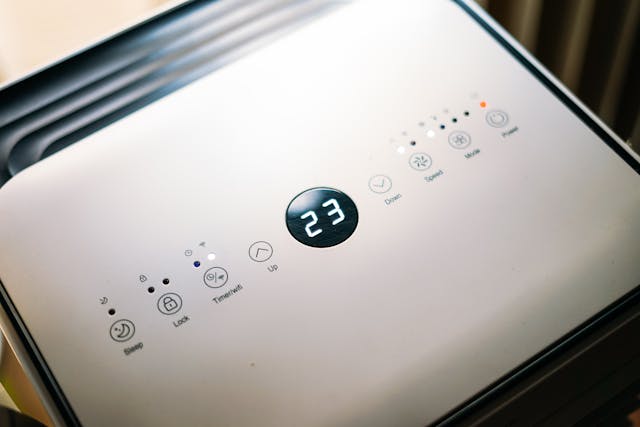
Ventilation also plays an important role. Kitchens, bathrooms, and laundry areas should have proper airflow to reduce humidity. In some cases, dehumidifiers may be useful to maintain indoor air quality.
Install and Maintain Security Systems
Security systems are an important part of protecting your investment. In addition to basic locks, modern systems provide added layers of protection and monitoring.
Consider installing features such as:
- Monitored alarm systems that alert you to unauthorized entry.
- Security cameras for exterior and entry points.
- Smart locks that allow controlled access.
- Motion-activated lighting to improve visibility at night.
These systems not only help deter potential intrusions but also provide documentation if an incident occurs.
Maintain Fire and Electrical Safety
Fire safety should be addressed through both prevention and preparedness. Install smoke detectors in appropriate areas and test them regularly. Replace batteries as needed to ensure continuous operation.
Carbon monoxide detectors should also be installed where required. Fire extinguishers should be accessible and maintained.
Electrical systems should be inspected periodically. Overloaded circuits, damaged wiring, or outdated components can create safety hazards. Addressing these issues early reduces risk and supports a safer environment.
Control Landscaping and Outdoor Hazards
Landscaping can impact both safety and property conditions. Overgrown trees and shrubs can become hazards during storms, especially if branches are close to the roof or power lines.
Regular trimming helps prevent damage and keeps outdoor areas manageable. Clear pathways and remove debris to reduce slip and trip hazards. Proper landscaping also supports drainage by preventing water from collecting near the foundation.
Prepare for Storm Season
Storm preparation is especially important in Central Florida. Taking steps before hurricane season can help reduce potential damage.
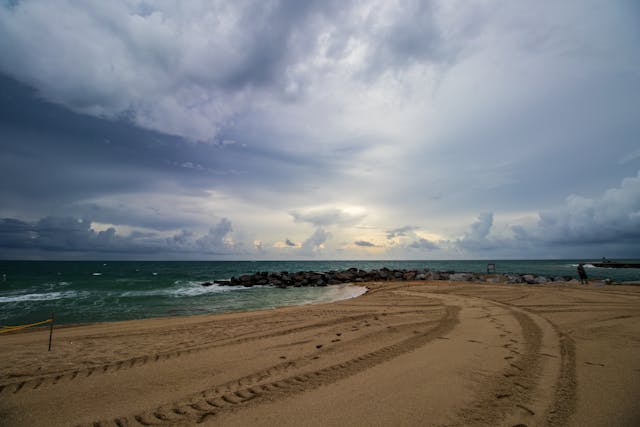
Secure loose outdoor items that could become projectiles during strong winds. Inspect windows and doors to ensure they are properly sealed. In some cases, installing storm shutters can provide additional protection. Having a plan in place for storm response, including communication with residents, helps ensure that everyone is prepared.
Stay on Top of Pest Prevention
Warm and humid conditions make pest activity more common in Florida. Preventative measures help reduce the risk of infestations.
Seal gaps around doors, windows, and utility entry points. Keep the property clean and address moisture issues that may attract pests. Regular inspections can help identify early signs of activity. If pests become a problem, professional treatment should be arranged promptly to prevent further issues.
Encourage Residents to Report Issues Early
Residents are often the first to notice potential problems. Encouraging them to report issues quickly allows you to address concerns before they worsen.
Provide clear communication on how to report maintenance issues and respond promptly when requests are submitted. Early action helps prevent small problems from becoming larger repairs. Open communication supports both safety and resident satisfaction.
Build a Preventative Maintenance Routine
A consistent maintenance schedule helps keep the property in good condition throughout the year. Instead of reacting to issues, preventative maintenance focuses on routine care.
This includes tasks such as servicing HVAC systems, cleaning gutters, inspecting roofing, and checking safety devices. Regular maintenance ensures that systems remain functional and reduces the likelihood of unexpected failures. A structured routine helps property owners stay organized and maintain consistent oversight.
.jpg "pexels-rdne-8293678%20%282%29")
What a Property Manager Can Handle
Managing property safety requires coordination and ongoing attention. A property manager can help by handling essential tasks such as:
- Scheduling routine inspections to identify risks early.
- Coordinating maintenance and repairs with trusted vendors.
- Monitoring safety systems and ensuring they remain functional.
- Managing exterior upkeep.
- Responding to resident concerns quickly to prevent damage.
- Overseeing storm preparation and seasonal maintenance.
Local property management companies support property owners in Central Florida by keeping these processes organized and consistent. Our involvement helps ensure that safety is not overlooked and that the property remains in strong condition year-round.
The Bottom Line
Keeping your home and investment safe requires a proactive approach. From managing weather-related risks to maintaining systems and improving security, each step contributes to protecting the property.
In Central Florida, where environmental factors play a major role, consistent maintenance and preparation are essential. A well-maintained and secure property reduces risk, supports resident satisfaction, and helps protect long-term value. Get in touch with the experts at State Property Management if you have more questions.