Key Takeaways
- Price your rental based on the market, not just what you'd like to earn.
- Stick to your screening criteria and wait for the right tenant instead of rushing a vacancy.
- Handle maintenance issues early, and weigh long-term costs before choosing repair vs. replacement.
- Remember that vacancy, cleaning, repairs, and leasing costs all factor into what a good tenant is worth.
- Keep reserves on hand and judge performance over years, not one rough month.
Owning a rental in Orlando takes more than collecting rent each month. Long-term performance usually comes down to a series of smaller decisions: pricing, screening, maintenance, and financial planning. After managing hundreds of properties across Central Florida, we've noticed a pattern: the highest rent or the cheapest repair isn't always the smartest move.
At State Property Management, we help owners look at the full picture instead of fixating on one month's income or one surprise bill. Here are seven tips for managing your Orlando rental with a longer-term mindset.
1. Price Your Rental for the Market You're In
It's natural to want to charge as much as possible, but there's a real difference between maximizing rent and simply overpricing your property.
Say you list your home $100 above similar rentals nearby. If that leaves the property empty for another month, you could spend most of the lease term making up for the lost income, all while utilities, upkeep, and marketing costs keep piling up.

Good pricing considers:
- Comparable properties currently listed and recently leased.
- Location, condition, and included amenities.
- Seasonal demand and local competition.
- Feedback from applicants who've toured the place.
The right rent isn't necessarily the highest number on the block. It's the number the market will actually support, one that draws solid applicants while still moving you toward your goals.
2. Screen Every Applicant the Same Way, Every Time
Every vacant day costs money, but that pressure shouldn't push you to cut corners on screening. A well-qualified tenant, someone who pays on time, communicates well, and takes care of the place, tends to make for a smoother tenancy. Rushing a placement just to stop the bleeding can backfire with missed rent, lease violations, damage, or an early move-out.
A solid screening process looks at income verification, credit and rental history, employment, background checks, and references from previous landlords, all measured against your written criteria.
Apply your standards consistently and follow Fair Housing laws at every level. Base decisions on documented facts, not assumptions about who someone is. Sometimes waiting an extra week for the right applicant beats grabbing the first person just to end the vacancy faster.
3. Don't Let Small Maintenance Issues Turn Into Big Ones
Small problems get expensive if you ignore them. A tiny plumbing leak can quietly damage cabinets, flooring, or drywall. An AC unit that never gets serviced is more likely to need a costly repair later.
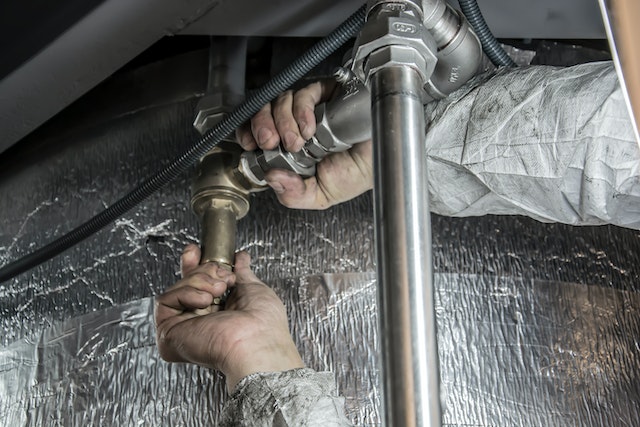
Staying on top of maintenance doesn't mean replacing something the second an issue pops up. It means catching real problems early, while they're still manageable, and making a smart call.
A good process covers how requests get submitted and documented, what needs immediate attention versus what can wait, lining up qualified vendors, clear access instructions, records of completed work, and planning ahead for preventive maintenance.
Central Florida's heat and humidity make reliable air conditioning and moisture control especially important here. Routine inspections and good documentation help you track your property and plan for what's next.
4. A Good Tenant Is Worth More Than the Rent Check
Monthly rent is only part of what a tenancy is worth. A dependable tenant who follows the lease and sticks around for years can save you a lot of money you'd otherwise lose to turnover, which typically involves lost rent during vacancy, cleaning, painting, repairs, landscaping, advertising, screening new applicants, and utilities while the unit sits empty.
That doesn't mean you should never raise the rent; it still needs to reflect the market. But it's worth weighing the whole tenancy, not just how much extra you could squeeze out of an increase.

Staying in touch, responding to maintenance quickly, and planning renewals early all help keep good tenants around. Start thinking about renewals well before the term ends so you have time to prepare either way.
Build a More Consistent Management Process Explore Our Services
5. Know When to Fix It and When to Replace It
The cheapest option right now doesn't always save money long-term. Repairing something makes sense when the issue is minor and the equipment has plenty of life left. But repairing the same aging item over and over can eventually cost more than replacing it.
This decision often comes up with appliances, HVAC systems, water heaters, plumbing fixtures, flooring, roofing, and doors and locks. Before approving another repair, consider the item's age, repair history, replacement cost, remaining useful life, and reliability. Good maintenance records make it easier to spot when you're throwing money at something no longer worth saving.
6. Keep Some Cash in Reserve
Repairs, vacancies, and turnovers are just part of owning rental property. Reserves mean you're not scrambling every time an unexpected bill shows up.
How much you should keep depends on the property's age and condition, the number of units and age of major systems, insurance coverage and deductibles, upcoming capital improvements, typical operating expenses, and the current lease and vacancy status.

An older home with aging HVAC needs a different reserve strategy than a newer build. If you own multiple properties, think about what happens if several repairs or vacancies hit at once. Check in on your reserve fund regularly to make sure it still fits your needs.
7. Judge Performance Over Years, Not Months
One bad month or one difficult tenant doesn't tell you much about how your investment is really doing. Step back and look at the bigger picture: gross rental income, operating expenses, vacancy and turnover rates, maintenance and capital costs, debt reduction, cash flow, property condition, and progress toward your investment goals.
Tracking these over time shows whether your property is improving, holding steady, or needs a new approach, and helps you separate normal ownership costs from actual recurring problems. Good decisions come down to accurate records, realistic expectations, and staying clear on why you own the property in the first place.
Final Thoughts
Getting the most out of your Orlando rental doesn't mean chasing the highest rent or always picking the cheapest fix. It means balancing today's income against vacancy, tenant quality, property condition, ongoing costs, and your long-term goals.
Price to match the market, apply your screening standards consistently, handle maintenance before it snowballs, recognize what a good tenant is really worth, and keep a financial cushion on hand. Above all, judge each decision by how well it supports your property over time.
If you'd like help building a management plan for your Orlando or Central Florida rental, reach out to State Property Management for a rental pricing analysis or a management consultation.
Discuss Your Orlando Rental Property Contact Us
Frequently Asked Questions
How Should I Price My Orlando Rental Property?
Look at comparable rentals, your property's condition and location, its features, current competition, and applicant demand. Your mortgage and income goals matter to you, but they don't determine what tenants are willing to pay.
Is It Better to Wait for a Qualified Tenant?
Often, yes. Holding out for someone who meets your documented criteria tends to work out better than lowering your standards just to fill a vacancy, as long as your requirements are reasonable, consistent, and compliant with Fair Housing rules.
How Much Should I Reserve for Rental Property Repairs?
There's no one-size-fits-all number. It depends on your property's age and condition, major systems, insurance deductibles, expected turnover costs, and upcoming improvements. Revisit this amount periodically as your property ages.
When Should I Replace an Item Instead of Repairing It?
Consider the item's age, repair history, replacement cost, remaining useful life, and how it's affecting the tenant. If something keeps breaking down and can't be relied on, replacement is usually the smarter call.
What Does an Orlando Property Management Company Handle?
It varies by company, but typically includes pricing, marketing, screening, leasing, rent collection, inspections, maintenance coordination, tenant communication, recordkeeping, and financial reporting. Always check the management agreement to confirm what's included.
Find Out What Your Orlando Rental Could Earn Contact Us