Key Takeaways:
- Buy based on value, not price. The key to profitable real estate investing is identifying properties priced below their true market value, always comparing recent sales, not just listings, and ensuring the numbers (costs vs. returns) actually work before committing.
- Target overlooked opportunities. Focus on properties with cosmetic issues, long days on market, or motivated sellers, these situations give you negotiating power and the chance to add value quickly with manageable improvements.
- Follow growth and income potential. Prioritize areas with rising demand, development, and strong rental income potential, then validate the deal by calculating realistic rent, expenses, and long-term appreciation before making an offer.
What separates a profitable real estate investment from one that barely breaks even? Often, it comes down to buying at the right price. In markets across Florida, from Tampa to Orlando, prices can shift quickly due to demand, migration trends, and local economic growth. This creates opportunities for buyers who know where and how to look.
State Property Management put together this article to help investors understand how to identify undervalued real estate deals. With the right approach, you can find properties priced below their true market value and position yourself for strong returns.
How to Find Real Estate Deals Below Market Value
Understand Local Market Conditions
Before searching for deals, you need a clear picture of the local market. Florida has a diverse real estate landscape. Coastal areas often command higher prices, while inland cities may offer more affordable opportunities. Pay attention to average home prices, rental demand, and neighborhood growth patterns.
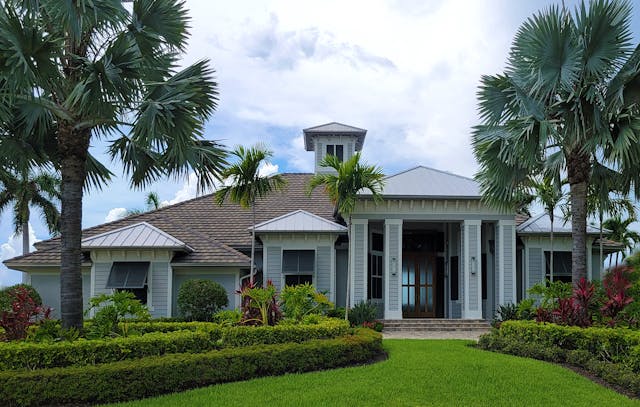
Look at recent sales in the area, not just listing prices. This helps you determine what buyers are actually willing to pay. If a property is priced noticeably below comparable sales, it may be undervalued.
Look for Properties That Need Minor Improvements
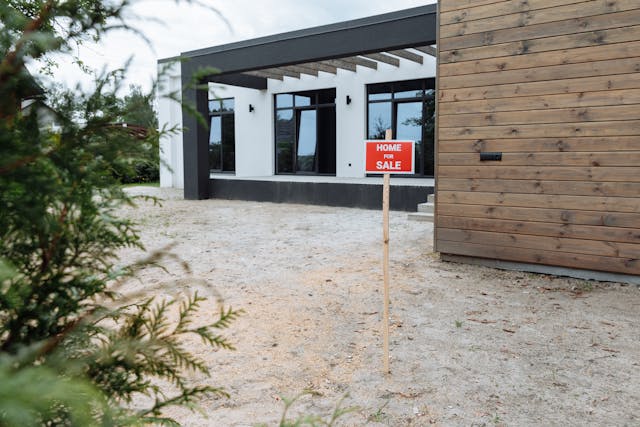
Not every buyer wants to deal with repairs. This creates opportunities for investors. Properties that need cosmetic updates such as painting, flooring, or landscaping are often priced lower than their potential value.
Focus on homes that require light to moderate work rather than major structural repairs. In Florida, older homes may need updates to meet current building standards or weather resilience requirements, especially related to roofing and storm protection. If the upgrades are manageable, the property can quickly increase in value.
Monitor Days on Market
The longer a property sits on the market, the more likely the seller may accept a lower offer. In competitive Florida markets, well-priced homes tend to sell quickly. If a listing has been active for several weeks or months, it may be overpriced or overlooked.
This gives you leverage. Sellers who are motivated may reduce the price or negotiate more flexible terms. Keep track of listing histories and price reductions to spot these opportunities early.
Identify Motivated Sellers
A motivated seller is often key to finding an undervalued deal. These sellers may need to close quickly due to financial pressure, relocation, or personal circumstances.

Common signs include:
- Price reductions within a short time frame.
- Vacant properties.
- Listings with phrases like “must sell” or “bring all offers”.
In Florida, real estate sales and properties affected by seasonal migration can also present opportunities. Owners who do not live in the state year-round may be more willing to sell quickly.
Compare Rental Potential
In areas with strong rental demand, the value of your property is closely tied to its income potential. Evaluate how much rent the property could generate compared to its purchase price.
If the expected rental income is high relative to the cost, the property may be undervalued. Cities with growing populations and job markets often show strong rental performance. This is especially true in parts of Central Florida and along major employment hubs.
Make sure to factor in local regulations. Florida generally has landlord-friendly laws, but each city may have specific rules regarding short-term rentals, zoning, or property maintenance standards.
Pay Attention to Neighborhood Trends
Undervalued properties are often found in areas that are improving but not yet fully developed. Look for signs of growth such as new infrastructure, retail development, or increasing population.
In Florida, expanding suburbs and areas near new highways or business centers can offer strong appreciation potential. Buying early in these neighborhoods allows you to benefit as property values rise over time.
Work with Local Professionals
Finding undervalued deals is easier when you have the right team. Property managers can provide insights that are not obvious from listings alone.
A property management company is especially valuable. They understand rental demand, tenant expectations, and operating costs in specific Florida markets. This helps you evaluate whether a property is truly a good investment.
They can also identify hidden expenses such as maintenance, insurance, and compliance with local regulations. This is important in Florida, where factors like hurricane insurance and property upkeep can impact profitability.
Analyze the Numbers Carefully
Even if a property seems like a good deal, the numbers must support the investment. Calculate all costs, including:
- Purchase price.
- Renovation expenses.
- Property taxes.
- Insurance.
- Maintenance.
- Vacancy rates.
Compare these costs to expected rental income or resale value. A property is only undervalued if it delivers a strong return after expenses.
Avoid making decisions based on price alone. A low price does not always mean a good deal if the ongoing costs are too high.
Bottomline
Finding undervalued real estate deals requires research, patience, and a clear understanding of the local market. By studying pricing trends, identifying motivated sellers, and evaluating rental potential, investors can uncover opportunities that others may overlook. Focusing on properties with manageable improvements and strong long-term growth potential can lead to better returns.
State Property Management helps landlords take the guesswork out of investing. From analyzing rental income to handling day-to-day operations, their team ensures your property performs at its best.