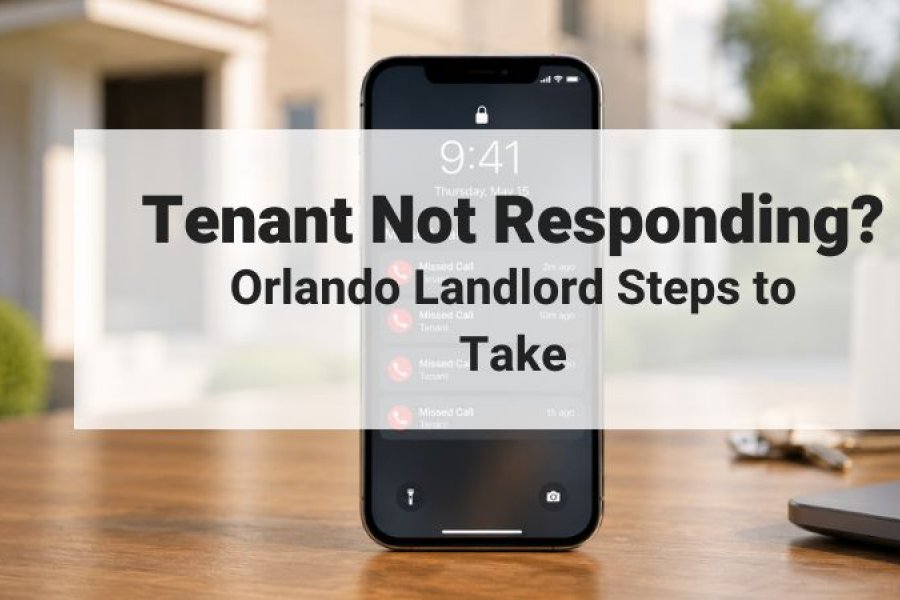
A tenant going silent can put an Orlando landlord in a tough position. Maybe rent is late, maintenance access is needed, or neighbors are reporting unusual activity at the property. State Property Management helps Central Florida rental owners handle situations like this with a calm, documented process instead of guessing, panicking, or taking steps that could create legal trouble.
Key Takeaways
- If a tenant stops responding, document every communication attempt before escalating.
- Do not change locks, shut off utilities, or remove belongings without following the proper legal process.
- A silent tenant may still have legal rights, even if they are behind on rent or appear to have left.
- Regular property oversight helps reduce risks like abandonment, unauthorized occupants, or squatters.
- Strong screening and lease documentation make nonresponsive tenant issues easier to manage.
Why Tenant Nonresponse Should Be Taken Seriously
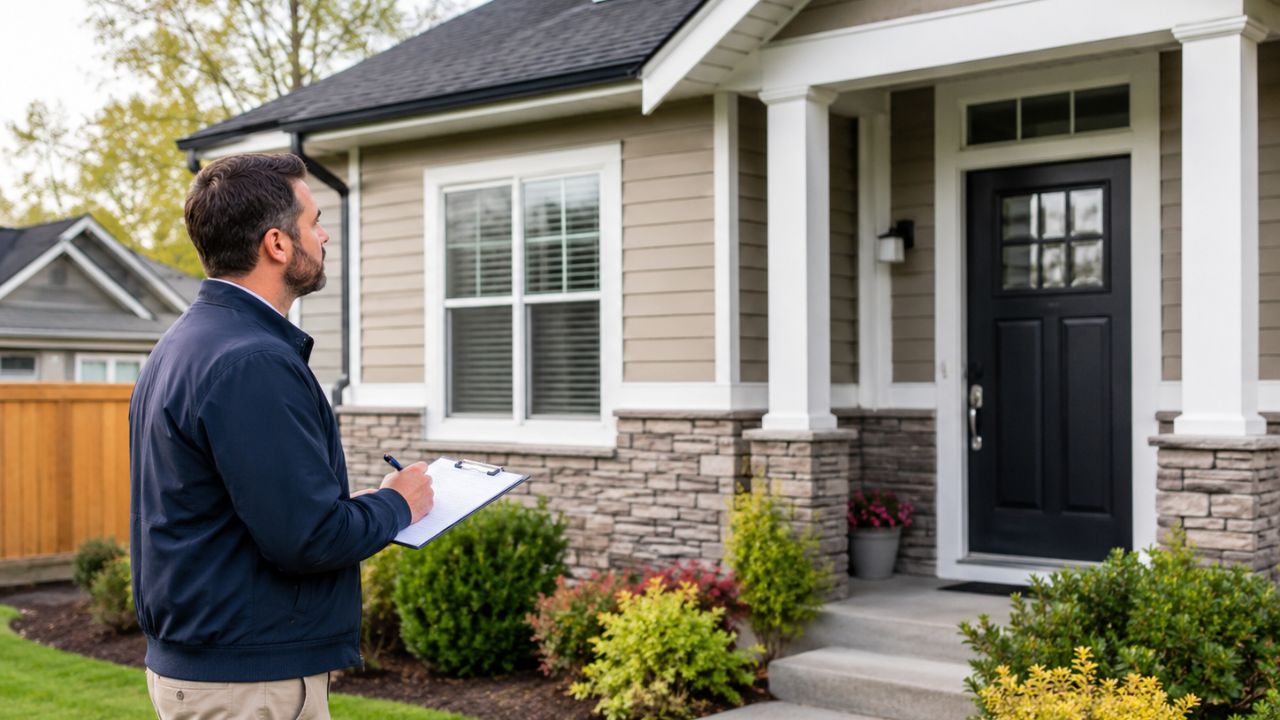
When a tenant does not answer calls, texts, emails, or written notices, it is easy to assume the worst. But silence can mean several different things.
They may be traveling, dealing with a personal emergency, avoiding a rent issue, preparing to move out, or intentionally refusing communication. In more serious cases, the property may be abandoned, occupied by unauthorized people, or at risk of damage.
The key is not to jump to conclusions. The key is to build a clear timeline.
Start by recording:
- The date rent became late, if applicable
- Every call, text, email, or portal message sent
- Any written notices delivered
- Maintenance requests or access attempts
- Neighbor complaints or observations
- Photos or inspection notes, if legally obtained
Good documentation protects the landlord if the situation later turns into a lease violation, abandonment issue, eviction filing, insurance claim, or security deposit dispute.
Step 1: Review the Lease First
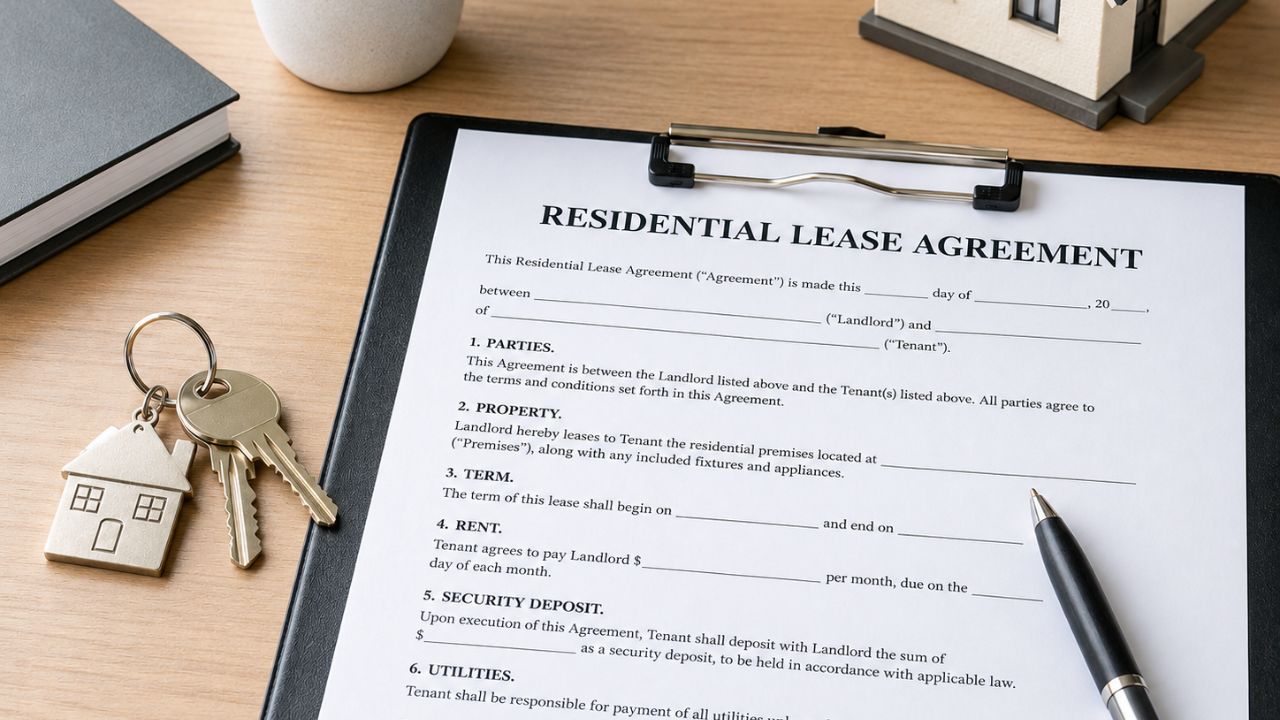
Before taking action, review the lease agreement. The lease should outline how notices must be delivered, when rent is considered late, what happens if the tenant denies access, and whether the tenant is required to notify the landlord during extended absences.
This is also where proper tenant screening matters. A clear lease and a well-screened tenant reduce the chances of communication problems later. If tenant placement has been an ongoing challenge, it may be worth revisiting your tenant screening process for rental property owners.
The lease should not be treated casually. If a notice must be mailed, posted, emailed, or delivered in a specific way, follow that process carefully.
Step 2: Keep Communication Professional
A nonresponsive tenant can be frustrating, especially if rent is overdue or access is needed for repairs. Still, every message should stay professional and simple.
Avoid emotional language. Avoid threats. Avoid repeated messages that could appear excessive.
A practical message might include:
“Hi [Tenant Name], we have tried to reach you regarding [specific issue]. Please contact us by [date/time] so we can resolve this. If we do not hear back, we may need to proceed according to the lease and applicable Florida rental procedures.”
That kind of message is firm, clear, and useful for documentation.
Step 3: Do Not Use Self-Help Measures
This is where landlords can get themselves into trouble.
Do not change the locks.
Do not shut off utilities.
Do not remove the tenant’s belongings.
Do not enter the property without proper notice or legal authority.
Do not assume the tenant has abandoned the home just because they are not answering.
Even when a tenant is clearly difficult, they still have rights. Rental housing rules generally provide tenants with protections related to notice, entry, and eviction procedures, including the right to written notice and protection from improper removal. Tenants also have rights and responsibilities under these regulations.
The safest approach is to slow down and follow the process.
Step 4: Look for Signs of Abandonment or Unauthorized Occupancy
If the tenant has stopped responding and rent is unpaid, the next concern is whether the property has been abandoned or whether someone else is living there.
Warning signs may include:
- Mail piling up
- Utilities disconnected
- Neighbors saying the tenant moved out
- Vehicles gone for an extended period
- Lawn, pool, or exterior maintenance being ignored
- Unapproved people seen entering or staying at the home
- Pets left behind
- Damage visible from outside the property
In Central Florida, abandoned rental homes can become expensive quickly. Heat, humidity, pests, leaks, and storm activity can turn a small issue into a major repair if nobody is checking on the property.
This is one reason routine inspections and consistent oversight matter. Landlords should not wait until a tenant disappears to start paying attention to property condition.
Step 5: Handle Access the Right Way
Sometimes a tenant stops responding when the landlord needs access for maintenance, repairs, inspections, pest control, insurance, or HOA-related issues.
Even then, entry needs to be handled properly. Give required notice, document the reason for entry, and keep the visit limited to the stated purpose.
If access is related to a larger tenant issue, such as lease violations or rent disputes, stay extra careful. The goal is to protect the property without creating a separate claim that the tenant’s rights were ignored.
If communication problems started after a rent change, lease renewal, or payment dispute, it may also help to review how the increase was communicated. Clear explanations can reduce tension, especially when landlords need to explain a rent increase to tenants.
Step 6: Understand the Squatter and Occupancy Risk
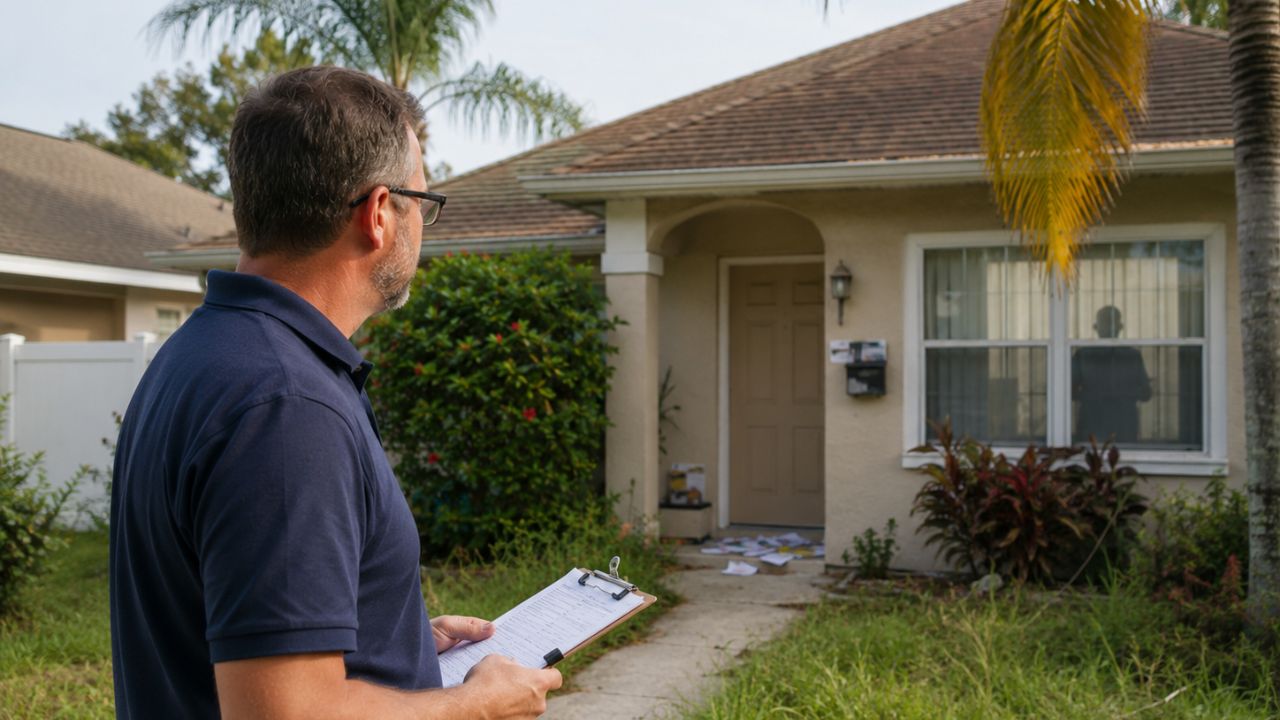
A vacant or poorly monitored property creates risk. If someone occupies the home without permission, the situation may not be as simple as calling the police and changing the locks.
Squatting and trespassing are often treated differently. Trespassing is usually viewed as someone entering without permission. Squatting can become more complicated when someone occupies a property and claims some type of right to stay.
Adverse possession is a legal concept in which someone may attempt to claim ownership rights to property after meeting strict legal requirements over time, such as open, continuous, exclusive, and hostile possession. The requirements for adverse possession vary by jurisdiction. For most landlords, the practical takeaway is simple: vacant rentals need oversight. The longer a property sits unchecked, the more risk there is.
Step 7: Escalate With Proper Notice and Legal Support
If the tenant remains silent, rent is unpaid, access is denied, or the property appears abandoned, the next step is usually formal written notice.
The correct notice depends on the issue. Nonpayment, lease violations, abandonment concerns, unauthorized occupants, and move-out disputes may each require a different approach.
If a tenant is breaking the lease or leaving early, it is important to understand how that situation affects rent, possession, and next steps. Rental owners can use this resource on an Orlando tenant breaking a lease as a helpful starting point.
If the issue becomes serious, involve a qualified Florida landlord-tenant attorney. Property managers can help organize documentation, coordinate notices, inspect the property when appropriate, and keep the process moving, but legal filings should be handled carefully.
Why Fast Action Matters Financially
A nonresponsive tenant is not just a communication issue. It can affect rent collection, property condition, turnover time, repairs, insurance, and tax records.
Rental owners should keep clear records of income, expenses, repairs, utilities, legal fees, and management costs related to the property. In many cases, rental property owners may report rental income and eligible expenses on their federal tax return, depending on their specific situation. Rental property income and expenses.
Good records help owners understand the real cost of the problem and make better decisions the next time a tenant starts showing warning signs.
Final Thoughts
When an Orlando tenant stops responding, the worst move is to act out of frustration. The better move is to document everything, follow the lease, avoid self-help actions, inspect only when allowed, and escalate through the proper process. State Property Management helps Central Florida rental owners stay organized, protect their properties, and handle tenant issues with a practical, professional approach.
Legal Note: This information is intended for general educational purposes only and should not be treated as legal advice. Landlord-tenant laws can vary based on the situation, lease terms, and local requirements. If you are dealing with a nonresponsive tenant, suspected abandonment, unauthorized occupants, or a possible eviction, speak with a qualified Florida landlord-tenant attorney before taking action.